 Afrikaans
+86 18931701057 (Tel/Whatsapp/Wechat)

Protecting Against Corrosion with Galvanized Steel Pipe Sleeves
Date:
2024-10-02
Galvanized steel pipe sleeves provide a robust defense against rust and corrosion. Their zinc coating prevents moisture from reaching the steel, protecting it from environmental elements that would typically lead to deterioration
Protecting Against Corrosion with Galvanized Steel Pipe Sleeves
1. Introduction to Corrosion and Its Impact
Corrosion is a natural process that leads to the deterioration of metals due to chemical reactions with moisture, air, and other environmental factors. Every year, corrosion costs industries billions of dollars due to damage and maintenance. Rust and decay are particularly problematic in piping systems, where they can lead to leaks, failures, and significant safety hazards.
To combat these issues, **galvanized steel pipe sleeves** emerge as a vital solution. By providing a protective layer, they significantly reduce the risk of corrosion, ensuring the longevity and reliability of piping systems. In this guide, we delve into the benefits, installation, and maintenance of galvanized steel pipe sleeves.
2. Understanding Galvanized Steel
Galvanized steel is steel that has been coated with a layer of zinc to protect it from corrosion. The zinc acts as a sacrificial anode; even if the coating is scratched, the underlying steel remains protected as long as there is zinc present. This method of corrosion protection has been used for centuries and is highly effective in various environments.
**There are two primary methods of galvanization**:
- Hot-Dip Galvanizing: The steel is submerged in molten zinc, creating a thick, durable coating.
- Electrogalvanizing: A thinner layer of zinc is applied using an electrochemical process.
Both methods offer unique advantages, making galvanized steel a versatile choice for various applications, especially in plumbing and construction.
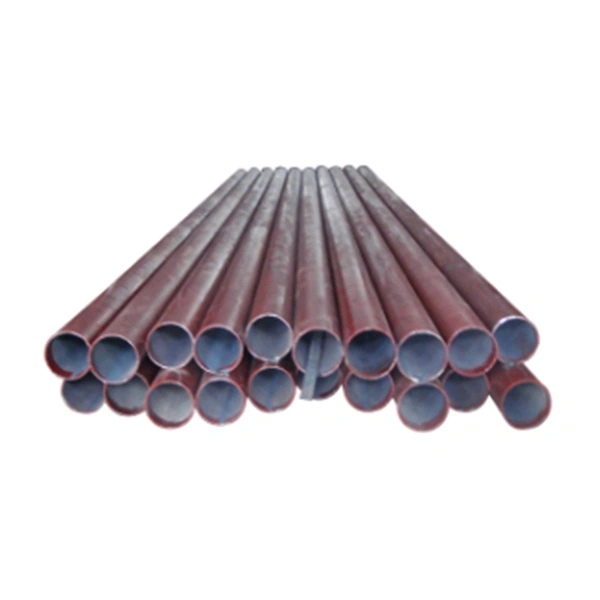
3. Advantages of Using Galvanized Steel Pipe Sleeves
The use of galvanized steel pipe sleeves offers multiple benefits:
3.1 Enhanced Corrosion Resistance
Galvanized steel pipe sleeves provide a robust defense against rust and corrosion. Their zinc coating prevents moisture from reaching the steel, protecting it from environmental elements that would typically lead to deterioration.
3.2 Cost-Effectiveness
While the initial investment in galvanized steel may be higher than other materials, the long-term savings in maintenance and replacement costs make it a financially sound choice for many industries.
3.3 Durability and Longevity
Galvanized steel is incredibly durable, often lasting decades when properly maintained. This longevity reduces the need for frequent replacements, further decreasing costs.
3.4 Versatility
Galvanized steel pipe sleeves can be used in various applications, from construction and plumbing to automotive and infrastructure projects, making them a reliable choice across industries.
4. Installation Process of Galvanized Steel Pipe Sleeves
To ensure maximum effectiveness, proper installation of galvanized steel pipe sleeves is crucial.
4.1 Preparing the Site
Before installation, inspect the site for any existing pipe damage. Clean the pipes to ensure that no contaminants, such as dirt, oil, or rust, interfere with the sleeve's attachment.
4.2 Measuring and Cutting
Measure the outer diameter of the pipe and cut the galvanized sleeve to the appropriate length, ensuring that it covers the affected areas adequately.
4.3 Attaching the Sleeve
Slide the galvanized steel pipe sleeve over the existing pipe, ensuring it fits snugly. Use appropriate fastening methods based on the application, such as clamps or adhesive, to secure the sleeve in place.
4.4 Inspecting the Installation
After installation, conduct a thorough inspection to ensure the sleeve is correctly positioned and secured. Look for any gaps or misalignments that could compromise protection.
5. Maintenance Tips for Galvanized Steel Pipe Sleeves
Maintaining galvanized steel pipe sleeves is essential to prolonging their lifespan:
5.1 Regular Inspections
Schedule routine inspections to check for signs of corrosion, wear, or damage. Early detection of issues can prevent more significant problems down the line.
5.2 Cleaning
Keep the surface of the sleeves clean and free from debris. Use a gentle detergent and water to wash away dirt and contaminants without damaging the zinc coating.
5.3 Repairs
If you notice any scratches or damage to the zinc coating, repair them promptly. Use a zinc-rich paint or cold galvanizing compound to restore the protective layer.
6. Applications of Galvanized Steel Pipe Sleeves
Galvanized steel pipe sleeves find applications across various industries:
6.1 Construction
In construction, they protect pipes from corrosion in challenging environments, ensuring the integrity of water supply and drainage systems.
6.2 Plumbing
For plumbing applications, galvanized steel sleeves provide reliable protection against leaks and deterioration, enhancing system longevity.
6.3 Automotive
In the automotive industry, galvanized sleeves are used to protect exhaust systems and fuel lines from corrosive elements.
6.4 Infrastructure
Galvanized steel pipe sleeves are utilized in infrastructure projects, including bridges and tunnels, where moisture exposure is prevalent.
7. Overcoming Challenges in Corrosion Protection
Despite their advantages, challenges exist in using galvanized steel pipe sleeves:
7.1 Environmental Factors
Certain environmental factors, such as high humidity, harsh chemicals, or extreme temperatures, can accelerate corrosion. Understanding your environment is essential in selecting the right materials.
7.2 Compatibility with Other Materials
When combining galvanized steel with other metals, galvanic corrosion can occur. It’s crucial to ensure compatibility to prevent accelerated wear.
7.3 Application-Specific Requirements
Different applications may require specific types of galvanized coatings or sleeve designs. Always consult with professionals to determine the best options for your needs.
8. Conclusion
In summary, **galvanized steel pipe sleeves** are a highly effective solution for protecting against corrosion in various applications. Their durability, cost-effectiveness, and versatility make them a preferred choice across industries. By understanding their benefits, installation processes, and maintenance needs, you can ensure the longevity and efficiency of your piping systems. Embracing galvanized steel technology not only safeguards your infrastructure but also contributes to long-term savings and operational efficiency.
Key Words:
Related News

Welcome to Cangzhou Xingkui Pipeline Equipment Co., Ltd!
Telephone: +86 18931701057
Email: admin@hbyhsteel.com
WhatsApp: +86 18931701057
WeChat: 18931701057
P.c: 050032
Address: Gengzhuangzi Industrial Zone, Mengcun Hui Autonomous County, Cangzhou City, Hebei Province, China
Copyright © 2023 Cangzhou Xingkui pipeline equipment Co., Ltd